Gender and drinks per drinking day were covaried in the model predicting beer consumption, given that males tend to drink more and in order to account for differences in alcohol consumed in the lab that are a function of one’s tendency to drinking https://adexpertnur.com/2020/08/13/empower-your-recovery-with-aa-s-12-steps-guide/ heavier in general. In the present study, gender and drinks per drinking day were both significantly correlated with beer consumed in the lab (ps ≤.01). Avoidant coping also was controlled, given the association between this variable and alcohol use in previous work.
- Both meetings occurred in Washington, D. C. This work has not been disseminated in any other form.
- Gender differences in rates of depression have been widely documented, with girls significantly more likely to be diagnosed with depression (e.g., Kumpulainen, 2000; Marmorstein, 2009).
- Sometimes, after removing the drugs or alcohol as a coping mechanism, people begin to act out with other addictive behaviors.
- Further, alcohol may have neurotoxic effects during developmentally sensitive periods, including adolescence, which may cause executive functioning impairments that lead to self-regulatory difficulties and depression (Peeters et al., 2014).
Stress and alcohol use
MW provided the paradigms for the proposal and contributed to the revision and final approval of the manuscript. The funder has no role in study design, data collection and analysis, decision to publish, or preparation of any kind of manuscript. Participants are recruited via personal contacts, flyers and advertisement in university and public settings in Hamburg (cafés, bars, supermarkets, sports clubs; student dormitories) as well as via social media (e.g. Instagram, Facebook) and student job markets. In addition, advertising is made in lectures and on the university website. In other cases, someone with substance misuse problems may seek out reasons to use and misuse alcohol and other intoxicants. Properly supervised detox programs also reduce the risk of relapse during this recovery phase.
What Are Adaptive Coping Skills?
Our Joint Commission-accredited programs that treat substance abuse, as well as have mental health professionals that can help to treat mental health disorders. If you or someone drug addiction treatment you know keeps using alcohol as a coping mechanism and has developed a substance use disorder, please know there’s help available. Even if you live a lifestyle with high-stress levels, there might be something else triggering you to reach alcohol.
Why Do We Get A Beer Belly? + 11 Tips For Getting Rid Of It
Even if we recognize this, it’s easy to revert to what we know will temporarily heal the pain or soothe the negative emotion that may be overwhelming us. This disorder can be characterized by a person drinking to the point that their body becomes dependent on or addicted to alcohol, making the substance the number one priority in their life. An individual that has AUD will continue to consume alcohol even after their drinking has caused negative consequences in their life. If you’re struggling to stop drinking to numb emotional pain on your own, then you can consider seeking help from a therapist or a counselor who specializes in alcoholism and its subsequent treatment. A professional can offer you support, teach coping skills, and address any underlying mental health issues.
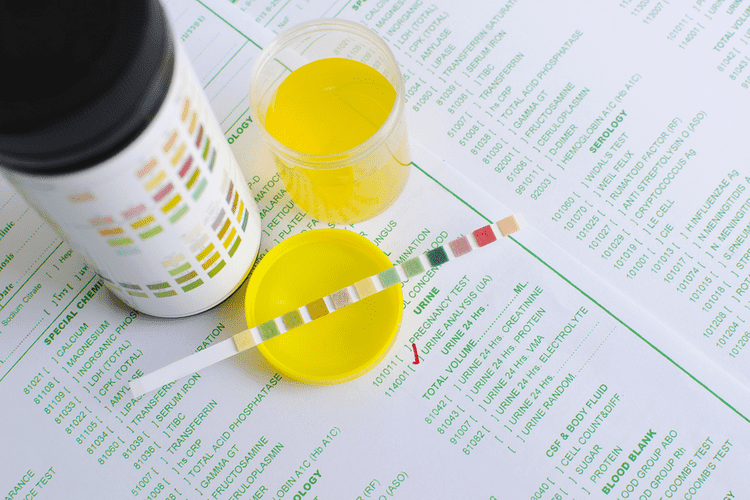
Regular and risky drinkers are randomly assigned to a stress induction or a control condition. As primary dependent variable, the motivation to consume alcohol following psychosocial stress is measured. The cause of alcohol use disorder (AUD) may range from various factors, including environmental factors, mental health disorders and more. There may even be several factors that can cause AUD that individuals are unaware of. However, through education, individuals can become aware of the potential risk factors of AUD and protect themselves and those they love.
Is There a Difference Between Emotional Drinking and Alcoholism?
Individuals who were ineligible were paid $20 for their time and dismissed from further assessment. Initially, it’ll be hard to transition out of alcohol addiction and find healthier coping skills. But the healing and recovery process is well worth it, and there are people dedicated to helping you.
Who is more likely to develop alcohol use disorder?
The laboratories reopened in September 2021 and data collection was continued. The saliva samples are taken using salivette ‘code blue’ devices (Sarstedt, Nümbrecht, Germany) directly before the intervention and at three time points after the intervention (Fig. 5). Salivary cortisol concentrations will be determined using a commercially available chemiluminescence assay (CLIA, IBL-Hamburg, Germany).
Treatment Programs
The worldwide coronavirus (COVID-19) pandemic is a chronic, ongoing stressor. This question highlights the need to understand the well-known bidirectional relationship between stress or trauma and alcohol intake, and why those with binge and chronic alcohol use are most vulnerable to increased alcohol use under high levels of stress and with traumatic exposure. The MESA study is a randomized controlled study that started in December 2018 and is being conducted in a laboratory setting at the Medical School Hamburg.
- It is unclear whether and how coping motivation for drinking and general adaptive coping skills may work together to influence alcohol use.
- In addition, results speak to the need to examine affect-relevant predictors (e.g., coping) in a controlled experimental context in which negative affect is elicited.
- We might drink to feel less stressed, anxious, or sad, hoping it will become our temporary escape from the real world.
- Whether you’re at the stage where you’re recognizing an unhealthy pattern of emotional drinking or you’ve crossed over into an alcohol use disorder, know that help is available.
- If you grew up in a home where alcohol abuse was prevalent, you might also be at risk.
- Understanding these underlying causes is crucial for effectively dealing with addiction.
It’s imperative to educate yourself about these risk alcohol as a coping mechanism factors and to monitor your behavior to avoid developing AUD. Additionally, it’s essential to be mindful of justifying alcohol consumption, as this can obscure its negative impact on your life and hinder you from seeking assistance. If you have a family history of alcohol use disorder (AUD), your chances of developing AUD in your family are higher than those with such a genetic predisposition. Research suggests that genetic factors, particularly those affecting alcohol metabolism, play an important role in the development of AUD.
- Whether someone turns to alcohol for social anxiety or has the tendency to have a drink after a long day at work, this recurrency can change someone’s brain chemistry and place them at risk of developing a substance use disorder.
- Continued misuse of alcohol or other substances causes progressive changes called neuroadaptations to occur in the brain.
- If you or a loved one uses substances to cope, it’s important to recognize and address the situation as early as possible.
- Moreover, there is evidence suggesting that drinking to cope may be more likely to mediate associations between depression and alcohol-use over time in females.

Instead of dealing with emotions like anxiety, depression, or shame, alcohol just numbs them temporarily. Many people use alcohol to cope with trauma, particularly if it has not been resolved. If you have been through several stressful incidents, you may be more likely to acquire AUD. Looking at your drinking motives, you should be able to see clearly whether you use alcohol in a healthy or unhealthy way. If you are even questioning whether it is time to take a look at your drinking, chances are you have gone a bit too far.